Common Hair & Scalp Conditions
Understand, Diagnose, Support
Hair and scalp conditions affect people of all ages and backgrounds, often impacting their confidence and overall well-being. Some of the most common issues include hair thinning, alopecia (hair loss), dandruff (scaling), scalp itchiness, and excessive oil production. While these concerns may seem cosmetic at first glance, they often signal underlying imbalances or health-related factors that require professional attention.
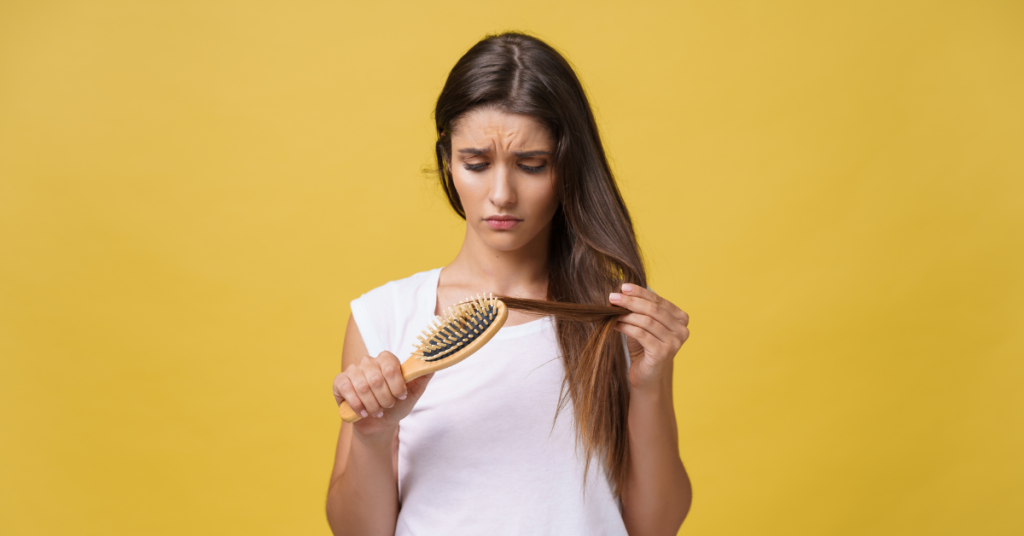
Hair loss can occur for various reasons — from genetic predisposition (as in androgenetic alopecia) to stress, hormonal changes, nutritional deficiencies, and medical conditions. A certified trichologist is trained to identify the root causes and recommend targeted treatment strategies or appropriate referrals when necessary. Early intervention can make a significant difference in managing and even reversing some types of hair loss.
Scalp conditions like dandruff, seborrheic dermatitis, and psoriasis are often accompanied by itching, redness, and discomfort. These issues can be chronic and frustrating without proper diagnosis. Similarly, excessive oiliness can lead to clogged follicles, irritation, and poor scalp hygiene — ultimately affecting hair quality and growth. Trichologists understand the structure and function of the scalp and can help restore balance through individualized care plans.
The role of a trichologist is not just to treat symptoms, but to educate and empower clients. By recognizing the signs of common hair and scalp disorders and addressing their causes, trichologists support long-term scalp health and help clients regain both healthy hair and confidence. Whether you’re dealing with mild irritation or more complex hair loss, professional guidance can make a meaningful difference.
Hair Loss Myths: What’s Fact and What’s Fiction?

Meet the Experts: An Interview with David Salinger